



By Madlyn Sharkah
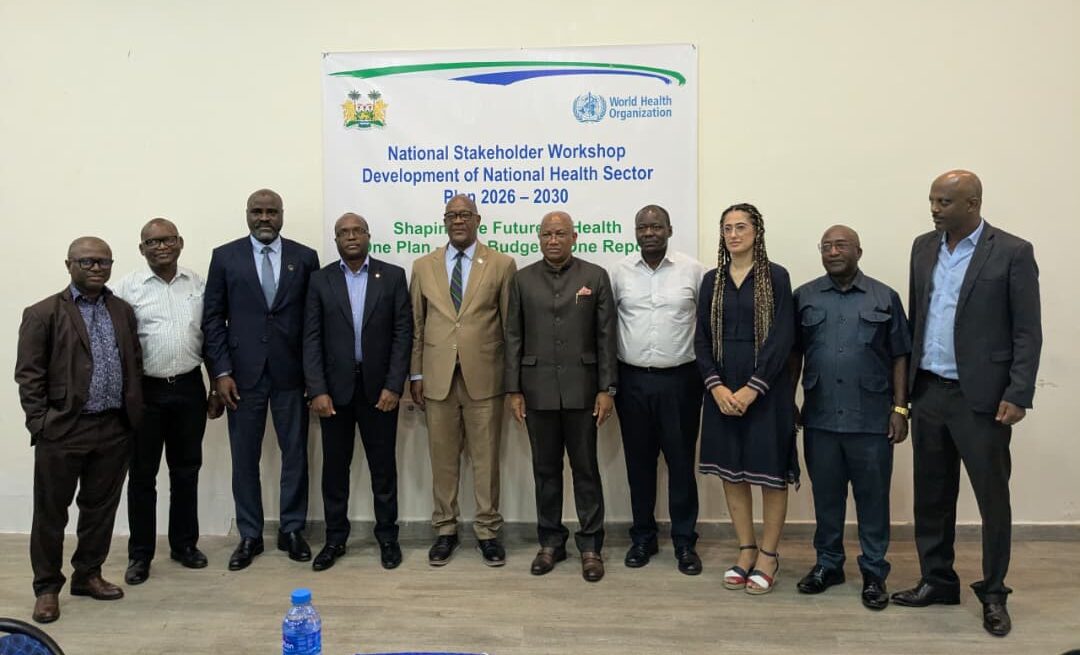
Stakeholders have completed a three-day national workshop in Freetown to shape a five-year national health sector strategic plan (NHSSP 2026–2030) for the country, a blueprint expected to guide investments and reforms aimed at strengthening healthcare for all Sierra Leoneans.
The workshop brought together more than 120 participants from government institutions, development partners, civil society, and frontline health workers. Their task was to collectively define the priorities that will drive Sierra Leone’s push toward universal health coverage and a more resilient national health system.
Led by the Ministry of Health with technical support from the World Health Organization (WHO) and other partners, the process builds on lessons from the outgoing NHSSP 2021–2025. The completion of the end-term review of the current strategy informed discussions on persistent bottlenecks, regional disparities, and opportunities for strategic investment.
Health Minister Dr. Austin Demby urged stakeholders to embrace a shared national vision and seize the moment to transform the health sector. He called for a people-centred system that uses technology, real-time data, and evidence-driven planning to improve services at every level, especially at community and district facilities where most Sierra Leoneans access care.
WHO country rep Dr. George Ameh stressed the importance of a unified plan that aligns all actors, strengthens coordination, and reduces duplication of efforts. He reaffirmed the global health watchdog’s ongoing technical support, noting that the new strategy must reflect realities from villages to national-level institutions.
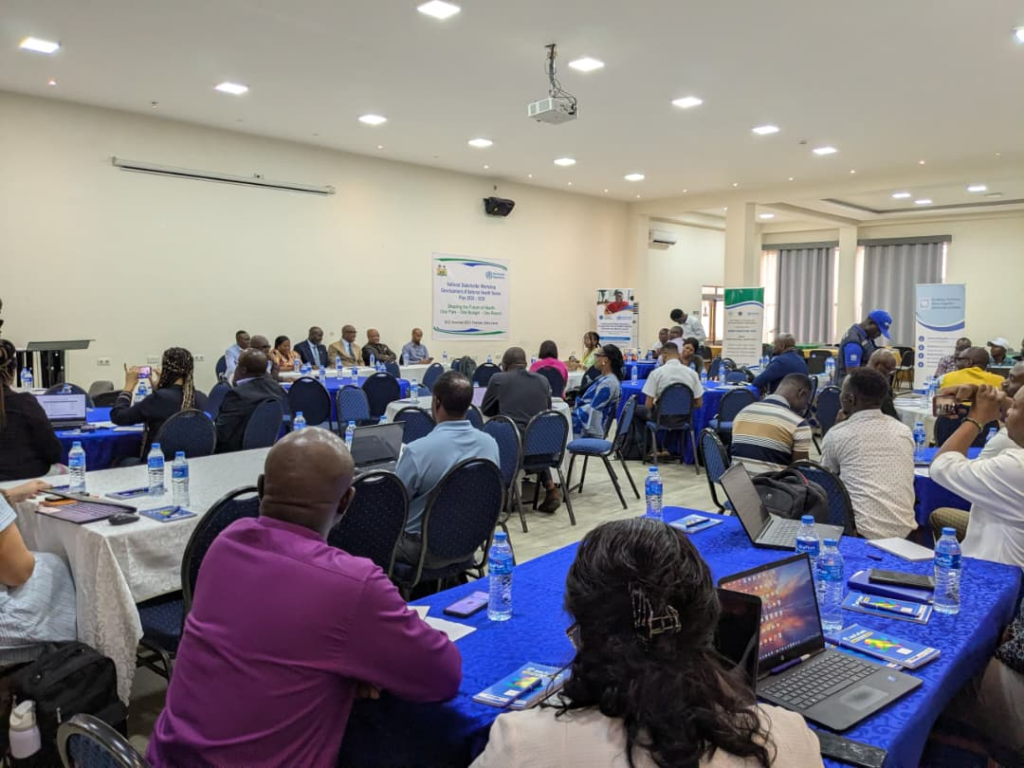
During the workshop, participants worked in thematic groups to draft strategic objectives and priority interventions. Discussions emphasized the “One Plan, One Budget, One Report” approach — a principle designed to streamline resource mobilisation and improve accountability across the health sector.
The resulting priorities focus on strengthening primary healthcare, improving community-level service delivery, building a skilled and motivated health workforce, and upgrading infrastructure and medical supply systems. These reforms are expected to advance Sierra Leone’s progress on universal health coverage and national health security by 2030.
With this milestone concluded, Sierra Leone now moves into the next stage of developing a comprehensive, costed NHSSP — one that aims to deliver equitable, reliable, and high-quality healthcare for every citizen.