



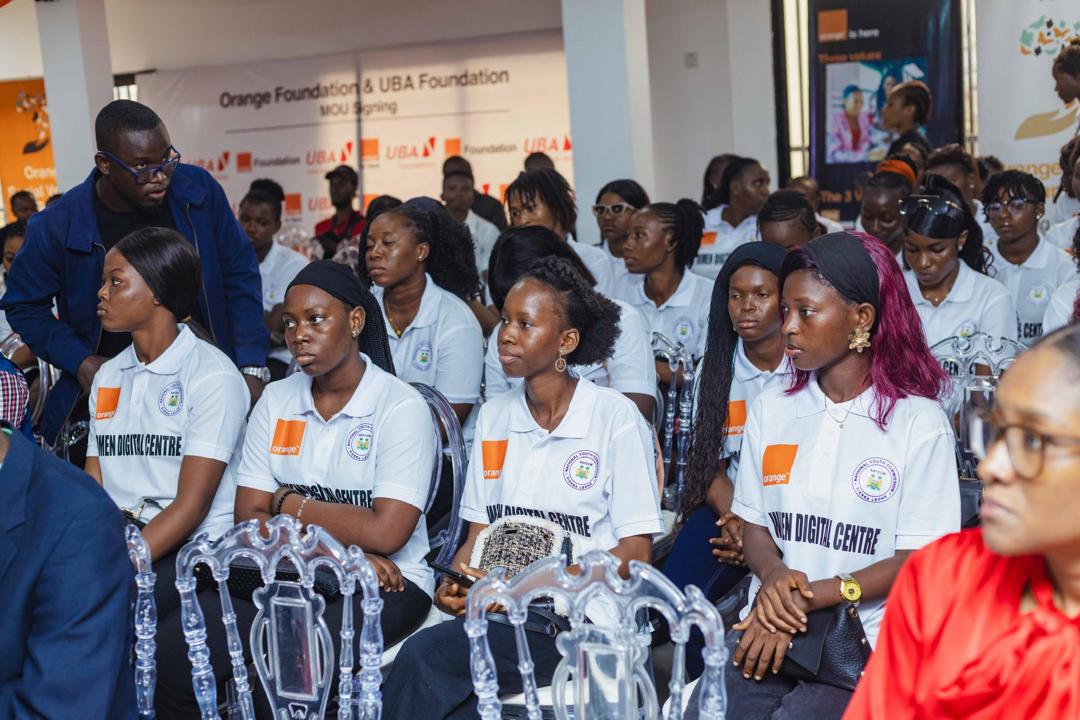
Seventy young women have been certified as digital professionals under the Women’s Digital Centre programme run by the Orange Foundation Sierra Leone, in partnership with the National Youth Commission, marking another step in Sierra Leone’s effort to close the gender gap in technology and strengthen its digital economy.
The graduation ceremony took place on Feb. 11 at the Orange Digital Centre in Freetown, bringing together government officials, corporate leaders, development partners, and families to celebrate the fifth cohort of the six-month training initiative.
Speaking at the event, Orange Foundation Director Annie Wonnie Katta said that since the programme’s launch in 2021, more than 700 women have been trained across Freetown, Bo, and Kenema, with over 600 graduates now entering the workforce equipped with practical digital and entrepreneurship skills.
Participants underwent intensive training in computer applications, internet fundamentals, digital marketing, entrepreneurship, business management, and online brand development. Recent advanced cohorts have also received instruction in web development, 3D design, artificial intelligence, and cybersecurity.
Chief Executive Officer of Orange SL, Aïcha Touré, stressed the urgency of expanding digital inclusion, noting that only 5.7 percent of women in Sierra Leone are online compared with 11.4 percent of men. She described the graduates as evidence that targeted investment in women’s digital skills can support inclusive growth and empower women to become creators—not just consumers—of technology.
Minister of Youth Ibrahim Sannoh reaffirmed government support for the initiative and revealed plans to pursue formal accreditation of the programme through the National Council for Technical Vocational and Academic Awards. He also encouraged graduates to launch digital enterprises, pledging ministerial recognition for promising early-stage innovators.
National Youth Commission Commissioner Joseph Maada Lahai said the programme aligns with Sierra Leone’s Mid-Term National Development Plan, which prioritizes technology adoption and human capital development. He committed the Commission to supporting graduates through mentorship, internships, market access opportunities, and financing pathways.
Education officials at the ceremony highlighted broader reforms aimed at strengthening the country’s digital ecosystem, including the establishment of technical universities offering Bachelor of Science degrees in technical disciplines, the development of a national cybersecurity curriculum, and the introduction of Sierra Leone’s first micro-credential framework to formally recognize short-course certifications.
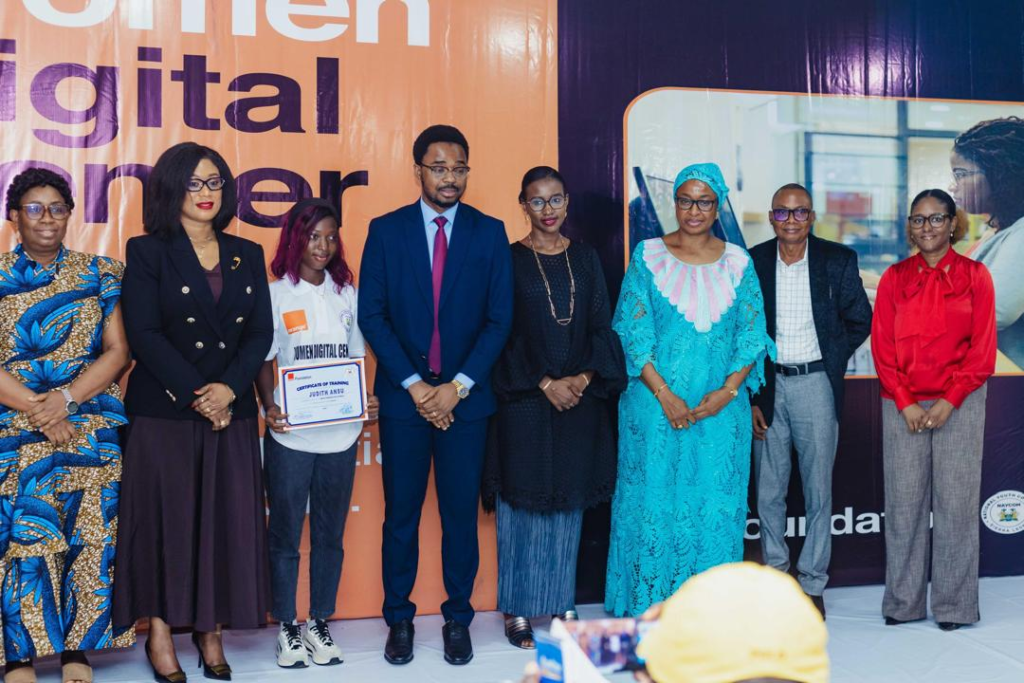
Graduates and alumni shared testimonies of personal transformation, citing improved employability, income opportunities, and community impact. Student representative Judith Ansu described the Digital Centre as “a gateway for ambition, confidence, and leadership,” underscoring the programme’s contribution to gender equality and national development.
With Orange Foundation and government partners deepening collaboration, the Women’s Digital Centre initiative is increasingly seen as a scalable model for bridging Sierra Leone’s gender digital divide and building a more inclusive, innovation-driven tech future.