



African rights groups rethink sustainable financing for women’s reproductive health
By Lawrence Williams
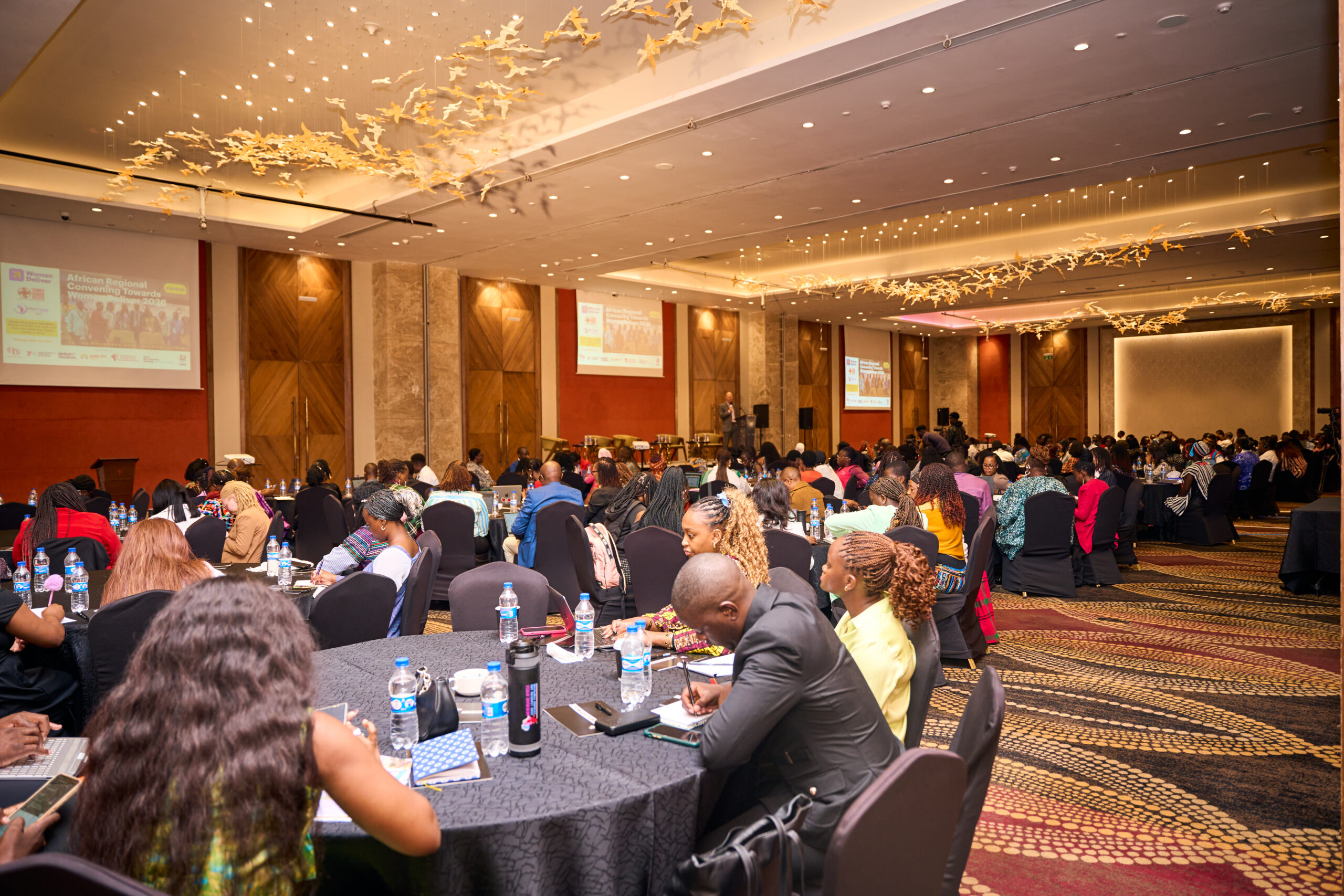
Nairobi, 24 Nov. 2025 – More than 200 rights groups, including feminist movements, civil society actors, youth groups and policymakers today convened in Nairobi to rethink sustainable financing and political commitment for sexual and reproductive health and rights (SRHR), warning that foreign aid cuts are threatening years of progress on gender equality and women’s health.
The African Regional Convening Towards Women Deliver 2026 aimed to shape regional priorities for SRHR at a time when civic spaces are shrinking and foreign aid cuts threaten to rollback years of progress.
Delegates gathered at the serene Ole-Sereni hotel for the 3-day conference are calling for bold actions to enhance SRHR and safeguard gender equality. Their call comes at a critical time when funding aid cuts are weakening responses to gender-based violence and women’s health needs.
Speaker after speaker stressed the need for sustainable financing for SRHR, pointing to the Abuja Declaration commitment for governments to allocate at least 15% of national budgets to health.
Jude Thaddeus from the South Africa-based Sonke Gender Justice spoke about the urgency for African nations to reexamine SRHR funding, arguing that reliance on volatile donor support is unsustainable. He highlighted that despite the sustainable development goals expiring in five years time, SRHR progress is stagnating and, in some instances reversing, warning that recent aid cuts could deny over seven million Africans access to contraception, potentially causing more than two million unintended pregnancies and at least 3,000 maternal deaths.
“We are here to champion sustainable financing for SRHR and gender equality,” Thaddeus said, while calling on the delegates to critically assess the African human rights framework, including instruments like the AU Convention on Ending Violence Against Women and Girls and the Maputo Protocol.
Furthermore, he called for elevating African feminists and youth leadership on the global stage to ensure that those most affected by funding cuts, particularly young people from marginalized communities, are central to advocacy efforts.
“The discussions offer timely lessons and urgent reminders,” said Samson from Women Deliver, while urging delegates to come up with concrete actions to inform the global convening of Women Deliver 2026 in Australia.
The convening also examined domestic financing models, while urging Western governments to restore cuts to foreign aid that have slowed progress in many African countries. Civic actors and feminist leaders raised concerns about global rollbacks on rights, warning that local initiatives are at risk without stronger political will and financial backing.
A powerful moment came from a Nigerian survivor of sexual and gender-based violence (SGBV), who called for investment in creative healing programmes, including psychosocial support and counselling services for SGBV survivors.
The Nairobi gathering forms part of preparations for the Women Deliver 2026 Conference, with participants working to define Africa’s priorities on SRHR, gender justice, and long-term funding. Key areas include elevating youth leadership, amplifying grassroots voices, addressing intersectional barriers, and strengthening national and regional action plans.
For many advocates, the message from Nairobi is that without sustained investment, political commitment, and community-driven action, Africa’s gains on gender equality remain at risk.


, warning that foreign aid cuts are threatening years of progress on gender equality and women's health.)