



By Lawrence Williams
Tax exemptions granted to companies in Sierra Leone’s industrial sector (Mining and Quarrying; Manufacturing and Handicrafts; Utilities and Energy/Water Supply) accounted for NLe3.5 billion (3.5 trillion old leones) in revenue losses to the government in 2023 alone, the Budget Advocacy Network (BAN) has said.
According to BAN, the sector contributed 12.81% to domestic revenue but recorded a staggering 35% revenue loss during the reporting period.
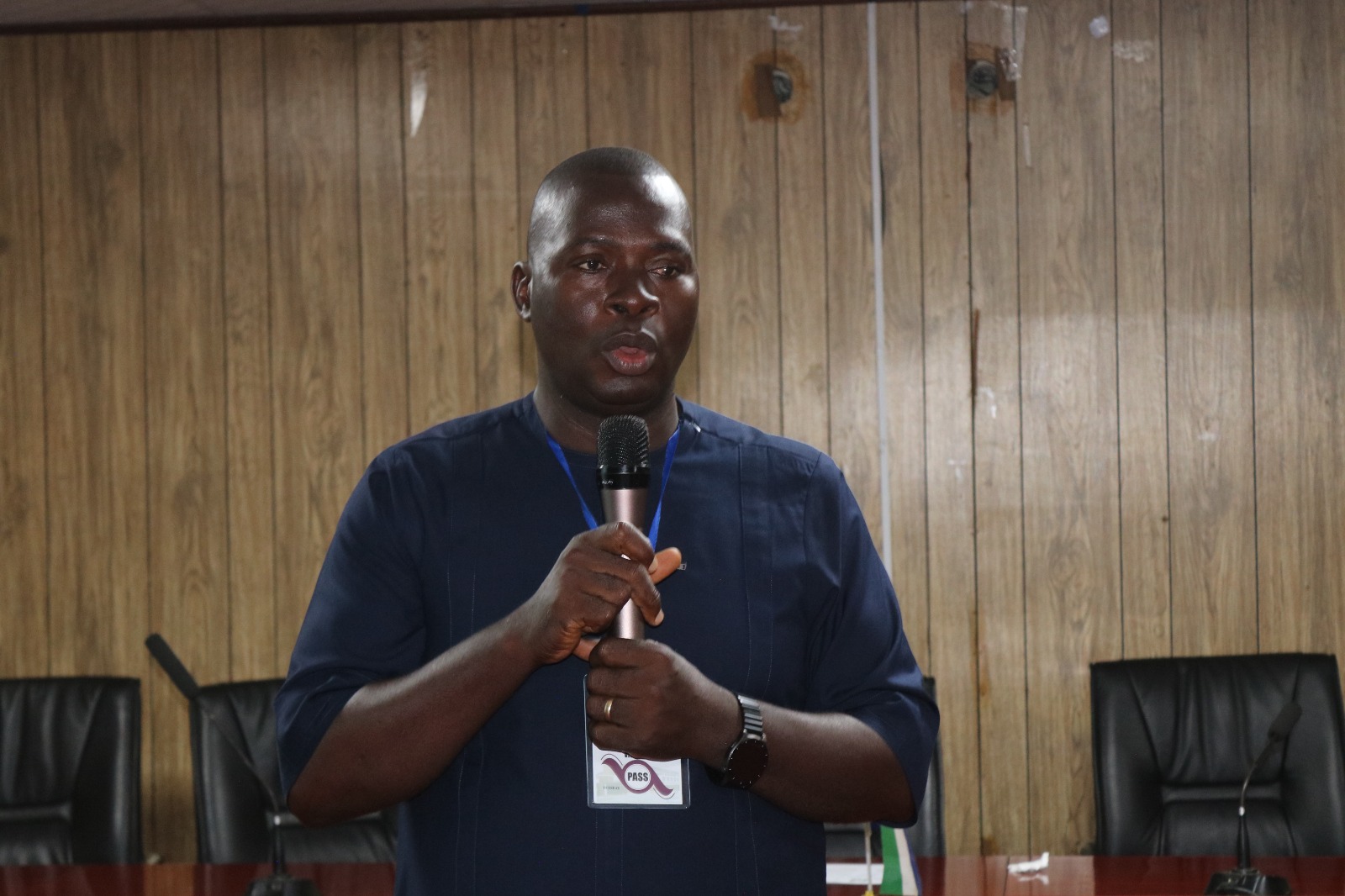
Presenting the report titled “Eating Twice or Losing Twice” to parliament this morning, BAN’s National Coordinator Abu Bakarr Kamara said that through tax exemptions and widespread non-compliance with statutory obligations, such as PAYE, GST, and withholding taxes, beneficiary companies are effectively “eating twice,” while the government and citizens are “losing twice.”
In 2024, arrears from statutory taxes owed by exempt entities reached NLe248 million — an amount that exceeds the total 2025 budget allocation for school fee subsidies, tertiary hospitals and ambulance services, rice supplies for the police and military, and procurement of Free Health Care drugs, including reproductive and child health commodities.
BAN emphasized that this figure is merely conservative, as it only reflects entities that filed their tax returns for FY2024.
The budget watchdog says tax incentives are not inherently a “bad thing,” noting that they reflect the government’s commitment to fostering an enabling environment for businesses to thrive. However, BAN argues that the system has become compromised due to the misuse of exemptions, weak oversight, and a lack of transparency, among other challenges.
According to Abu Bakarr Kamara, most of the exemptions were granted indefinitely, and many beneficiary entities failed to meet key conditions under which the incentives were approved, such as job creation, technology transfer, and increased local content utilisation.
The report outlines several recommendations for reform. These include public disclosure of all tax exemptions and their fiscal implications; stronger stakeholder engagement; enhanced oversight mechanisms; and a comprehensive review of existing incentives to ensure alignment with national development priorities, supported by primary legislation to guide the granting of future tax incentives.


 reveals Sierra Leone lost NLe3.5 billion (3.5 Trillion Old Leones) in 2023 to tax exemptions in the industry sector, urging reforms to ensure transparency and accountability.)